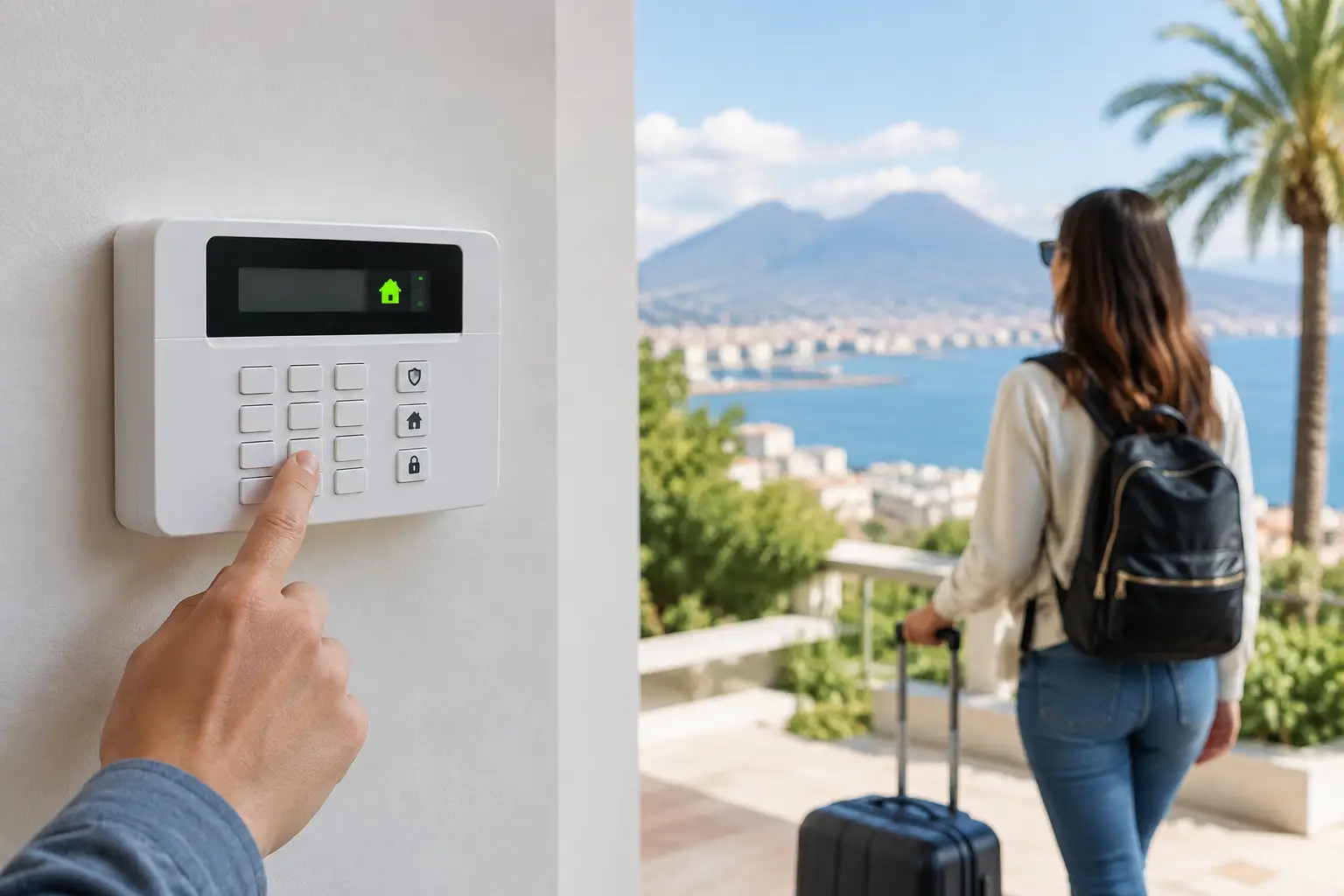
A Naples home can look perfectly quiet from the street while a water leak, open garage door, failed alarm keypad, or unexpected visitor creates a real problem inside. For full-time residents, seasonal owners, and vacation-rental owners, Naples alarm installation is not just about putting a keypad on the wall. It is about knowing what is happening at the property and having a local professional who can help when you are not there.
The right system should make protection easier to manage, not add another app, another contract, or another company that sends you from a call center to a subcontractor. A well-planned alarm system gives homeowners dependable detection, professional monitoring, remote control, and a clear path for service when equipment needs attention.
What a Naples Alarm System Should Actually Do
A basic burglar alarm can still do useful work, but most Southwest Florida homeowners need more than a siren. They need to know whether doors are secure after a cleaning crew leaves, whether a garage was accidentally left open, or whether a smoke, flood, or temperature issue needs a response before it becomes an expensive repair.
A properly designed system can combine door and window contacts, motion detection, glass-break sensors, smoke and carbon monoxide detection, flood sensors, and monitored panic protection. The exact mix depends on the home. A condo with controlled building access has different needs than a large estate with detached garages, pool areas, guest quarters, and several exterior entry points.
Remote access matters especially for second homes. From a smartphone app, an owner may be able to arm or disarm the system, review alarm activity, receive alerts, and grant temporary access to a trusted vendor. Paired with cameras, smart locks, garage-door control, and reliable WiFi coverage, the alarm becomes part of a practical property-management plan.
Naples Alarm Installation Starts With the Property
The best alarm design is not selected from a one-size-fits-all package. It starts with a technician walking the property, asking how the home is used, and identifying where protection will have the most value.
For a year-round homeowner, the priority may be simple operation and rapid help when a device fails. For a seasonal resident, the focus is often remote oversight, water detection, and vendor access. For a vacation-rental owner, it may include smart locks, camera coverage at permitted exterior locations, and alerts that help confirm the property is secured between guests.
That conversation should also cover the realities of the house itself. Older Naples homes may have hardwired sensors that still work well. Newer homes may be better suited to wireless devices in areas where running cable would disturb finishes. Neither approach is automatically better. Hardwired equipment can be exceptionally dependable and may preserve existing infrastructure, while modern wireless sensors can make an upgrade cleaner and faster when walls and ceilings should remain untouched.
A technician should also account for pets, tall windows, impact glass, sliding doors, hurricane shutters, detached structures, and the daily habits of the people using the home. A motion detector positioned without regard for a large dog or an open staircase can create false alarms. A system installed around how people actually enter and leave the house is far more likely to be armed consistently.
Do Not Replace Good Equipment Just Because It Is Older
One of the most frustrating parts of dealing with a national alarm company is being told that everything must be replaced before service or monitoring can continue. Sometimes replacement is necessary. A discontinued panel, damaged wiring, obsolete cellular communicator, or unreliable device should not be ignored.
But functional equipment is worth evaluating before it is removed. Existing hardwired contacts, motion sensors, sirens, and keypads can often be reused or incorporated into an upgraded system. That can reduce installation costs, limit disruption, and keep perfectly serviceable protection in place.
The same is true when taking over a system previously monitored by companies such as ADT or Vivint. Compatibility depends on the panel, communicator, account programming, and condition of the equipment, so there is no honest universal promise. Still, many homeowners have more options than they were led to believe. A local technician can inspect the system and explain whether it can be repaired, converted to new monitoring, upgraded in stages, or replaced only where it makes sense.
Vigilant Security works with established alarm platforms including 2GIG, Honeywell, DSC, and Qolsys. That flexibility matters because the right recommendation should fit the property and the usable equipment already in it, not a sales quota.
Monitoring Is Different From a Loud Alarm
An unmonitored alarm can make noise and send app notifications, but it depends on someone seeing the alert and deciding what to do. Central-station monitoring adds a layer of response when you are asleep, traveling, on a plane, or simply unavailable.
When a monitored burglary, fire, panic, or environmental signal is received, the monitoring center follows the response plan established for the account. That can include contacting designated homeowners, calling emergency services when appropriate, and documenting the event. It does not eliminate every risk, but it can shorten the time between an alarm event and a real response.
Reliable communication is just as important as the panel. Traditional phone lines are no longer the default for most homes. Cellular communication provides a more independent path than relying only on a home internet connection, while some installations can use both cellular and internet paths for added redundancy. The best choice depends on local signal strength, the homeowner’s tolerance for downtime, and the property’s existing network.
Monitoring can also support insurance documentation. Many insurers offer discounts for qualifying monitored burglary or fire systems, although requirements and savings vary by carrier. A homeowner should confirm what their insurer needs rather than assuming every alarm configuration receives the same credit.
Cameras, Locks, and Alarms Need Clear Roles
Security equipment works better when every part has a job. Cameras provide visual context. The alarm detects protected events. Smart locks and garage controls help manage access. WiFi makes remote devices dependable enough to be useful.
A camera should not be expected to replace a monitored alarm, particularly when a homeowner cannot watch alerts all day. Likewise, an alarm will not show whether a delivery was left at the door or whether a vendor arrived as scheduled. Combining the two creates a more complete picture without turning the home into a complicated technology project.
Camera placement deserves careful thought. Cover primary entry points, driveways, garages, side gates, and outdoor equipment areas where appropriate. Avoid aiming cameras into neighbors’ private spaces. For rental properties, owners should also follow applicable disclosure rules and avoid cameras in any private interior areas.
Equipment choices can vary. Some homeowners prefer Ring for familiar app controls, while others need higher-capacity systems from Dahua, Hikvision, or Digital Watchdog. The important question is not which brand has the loudest advertising. It is whether the cameras, recording method, network, and remote viewing experience match how the owner intends to use the property.
What Fair Local Service Looks Like
An alarm system is only as good as the support behind it. Batteries need replacement, cellular networks change, sensors get damaged, and a homeowner may want to add protection after a renovation or a new purchase. Those are normal service needs, not reasons to start over with a new long-term contract.
Look for a company that provides a technician-led estimate, explains options without pressure, and can return to service the work it installed. The person diagnosing an issue should understand the original system design, not arrive with a generic sales script and a mandate to replace every component.
Ask direct questions before scheduling installation: Can usable equipment be retained? What is included in the installation price? Is monitoring separate? What happens if a device fails? How quickly can a local technician be scheduled? Clear answers at the beginning prevent unpleasant surprises later.
Plan Protection Before the Next Time You Leave
Whether your Naples property is occupied every day or sits empty for months at a time, the goal is simple: fewer unknowns and a faster response when something is wrong. Start with the entry points, environmental risks, and access issues that would cause the most trouble if no one were home to handle them.
A free on-site estimate is the right time to ask practical questions, see what existing equipment can be saved, and build a system around the way you actually live. The most useful alarm installation is not the one with the most devices. It is the one you trust enough to use every time you lock the door.
Leave a Reply