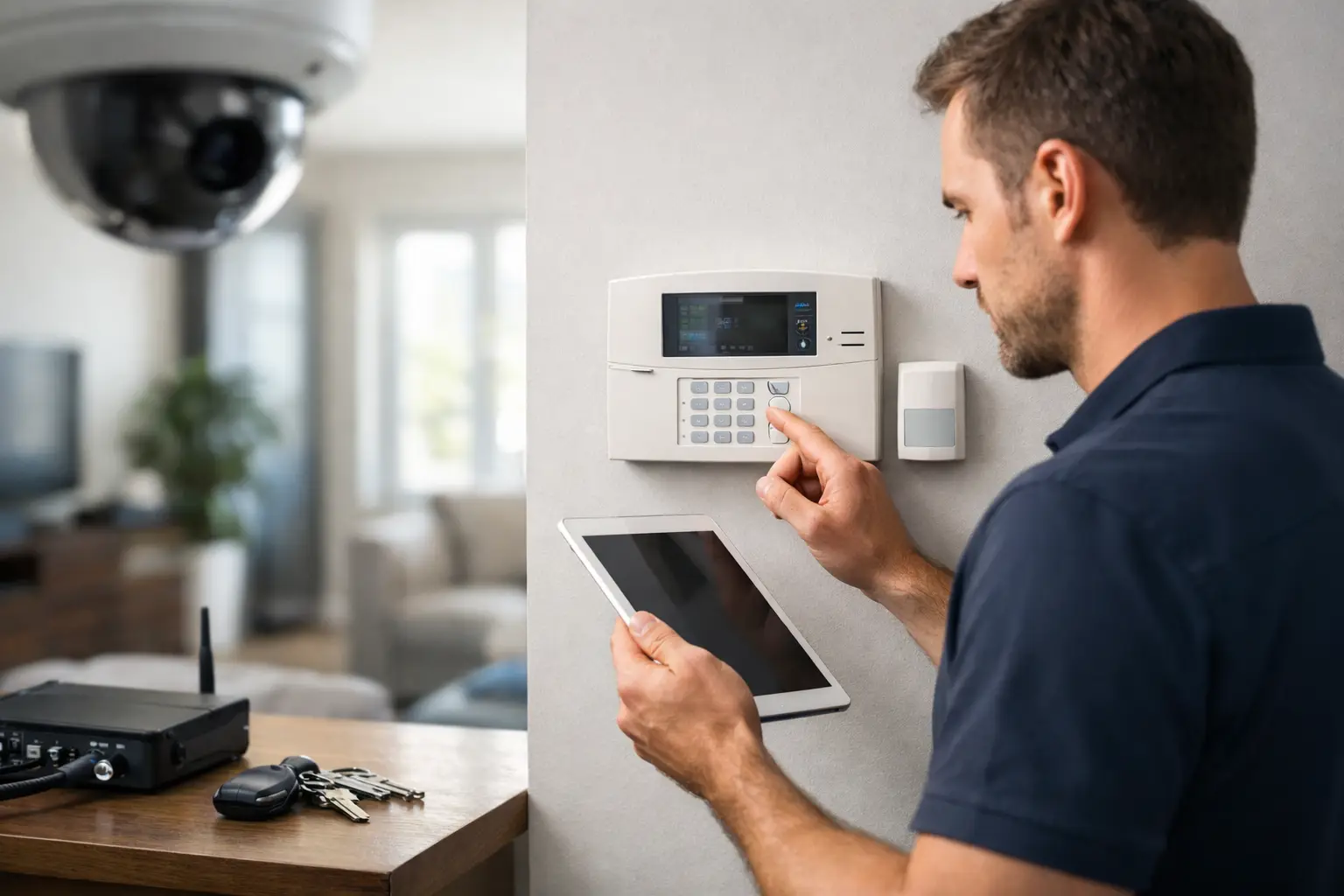
Your alarm panel is already on the wall, the doors and windows already have sensors, and the system may be working perfectly well. That is why many Southwest Florida homeowners ask whether they can take over existing alarm monitoring instead of starting over with a costly new system.
In many cases, the answer is yes. A compatible alarm system can often be evaluated, repaired if needed, and connected to a new central monitoring station without replacing every device in the house. The right answer depends on the equipment, its condition, its communication method, and whether the previous provider has fully released the system. A local technician should inspect those details before promising a conversion.
For homeowners in Naples, Marco Island, Fort Myers, Punta Gorda, and surrounding communities, keeping a functional system can mean less disruption, lower upfront cost, and better service when something needs attention.
When It Makes Sense to Take Over Existing Alarm Monitoring
National alarm companies often make replacement sound like the only option. Sometimes a replacement is warranted. An aging panel may no longer communicate reliably, a cellular communicator may be obsolete, or a system may have recurring trouble conditions that make repair impractical. But replacing usable equipment simply because the monitoring company has changed is not always in the homeowner’s best interest.
A monitoring takeover is often a practical choice when the home has a quality hardwired alarm system with working door contacts, motion detectors, keypads, sirens, and smoke or flood devices. Hardwired infrastructure is particularly valuable in larger homes because the sensors are already installed cleanly throughout the property. There is no reason to pull out good wiring or replace reliable contacts just to change who monitors the system.
This matters even more for seasonal residents and second-home owners. If you are hundreds or thousands of miles away, you need to know that an alarm signal will reach a central station and that a local company can respond when equipment needs service. Monitoring is only part of the relationship. The quality of the local technician behind it matters just as much.
What a Local Alarm Monitoring Takeover Involves
Taking over alarm monitoring is not just a matter of changing a billing account. A qualified technician needs to determine what equipment is installed, whether it is compatible, and how it currently communicates.
Many homes in Southwest Florida have systems from Honeywell, DSC, 2GIG, or Qolsys. These platforms can often be serviced, upgraded, or moved to new monitoring when they are in good condition. Some systems previously installed by ADT, Vivint, or another national provider can also be converted, although proprietary equipment and account restrictions can affect the process.
The first step is an on-site evaluation. The technician should identify the panel, keypads, sensors, communicator, backup battery, and any devices tied into the system. They should also test doors, windows, motions, panic buttons, smoke detectors, and other life-safety devices that are part of the alarm setup.
Next comes the communication check. Older alarm systems may rely on a landline, an outdated cellular module, or a network connection that is no longer dependable. Cellular communication is frequently the best choice for homes that sit vacant for part of the year because it does not depend on the home’s internet service or a working phone line. If the communicator needs an upgrade, that does not necessarily mean the entire alarm system needs to be replaced.
Finally, the system is programmed for the new monitoring account, tested with the central station, and reviewed with the homeowner. You should know how to arm and disarm the system, use the app if available, update your emergency contact list, and request an alarm certificate for insurance purposes.
Compatibility Is the Key, Not the Logo on the Yard Sign
A yard sign does not tell you whether an alarm system can be taken over. The panel and communication equipment do. Some national providers install standard equipment that can be reprogrammed and monitored by another company. Others use proprietary panels, locked communicators, or equipment that was designed around their own service model.
That is why phone-only promises can be misleading. A company that says it can take over every system without inspecting it is guessing. A company that insists every system must be replaced may be selling first and evaluating second.
A fair assessment considers the condition and value of what is already in the home. If your existing panel has years of useful life left, a takeover with a new communicator may be the sensible route. If the panel is old, unsupported, unreliable, or unable to support the remote controls you need, an upgrade may save frustration later. The goal should be a system that works reliably, not the biggest possible equipment sale.
What May Need to Be Replaced
Even when the alarm panel and sensors can stay, certain components may need attention. Backup batteries wear out and should be replaced on schedule. Older cellular radios can stop working as carriers retire legacy networks. A damaged keypad, corroded outdoor siren, failed motion detector, or improperly installed sensor may also need repair.
These are normal service items, especially in Florida’s heat, humidity, lightning conditions, and seasonal occupancy patterns. Replacing a small component is very different from replacing an entire security system.
Why Local Service Matters After the Takeover
Central-station monitoring provides a trained response when an alarm signal is received. But when a keypad displays a trouble message, a battery starts chirping, an internet-connected device drops offline, or a storm affects equipment, you need someone local who can diagnose the actual problem.
For vacation-rental and second-home owners, that local accountability is especially valuable. You may need to give a property manager or vendor access while you are away. You may want confirmation that an alarm issue has been corrected before new guests arrive. You may need cameras, smart locks, garage-door controls, or WiFi equipment to work alongside the alarm system. Those needs do not fit neatly into a national call-center script.
Vigilant Security approaches existing systems with the same practical mindset used for new installations: preserve what works, explain what does not, and give the homeowner a clear recommendation. Estimates are technician-led, not driven by commissioned sales pressure. The technician who understands the system should remain part of the service relationship after the work is complete.
Questions to Ask Before Changing Monitoring Companies
Before authorizing a takeover, ask whether the company has inspected the system in person and confirmed that the panel can be monitored. Ask what equipment can remain, what needs repair or replacement, and why. You should also ask how the system will communicate with the monitoring center and whether remote app control is available with your equipment.
It is also wise to clarify the service process. Who will come out if the system has a trouble condition? How quickly can local service usually be scheduled? Is there a contract requirement, activation fee, or equipment charge? Will the company provide an insurance certificate once monitoring is active?
Clear answers are a good sign. Security monitoring should not come with vague equipment claims, surprise fees, or a long call-center runaround when you need help.
A Better Option Than Starting From Scratch
If your current alarm system has been working but your service relationship has not, you may have more options than you think. A local evaluation can show whether the existing system is worth keeping, whether a communicator upgrade is enough, or whether selective improvements would give you better reliability and remote control.
The best alarm setup is the one that protects the property consistently, is easy for you to manage from wherever you are, and has a real local technician available when the system needs attention. Before agreeing to replace everything, request a free estimate by phone and have the equipment evaluated on its actual condition.
Leave a Reply