A vacation rental can be vacant at noon, occupied by a new family at 4 p.m., and visited by a cleaner before sunset. That turnover is why the top vacation rental security features are not simply about stopping a break-in. They help you control access, document what happens at the property, catch small problems early, and avoid the frantic call from a neighbor when you are three states away.
For owners in Naples, Marco Island, Bonita Springs, and Fort Myers, security also has to hold up to heat, humidity, storm season, remote ownership, and frequent vendor visits. The best system is rarely the one with the most gadgets. It is the one that gives you reliable information and practical control without making every guest interaction a technical support problem.
Start With Controlled Entry, Not More Keys
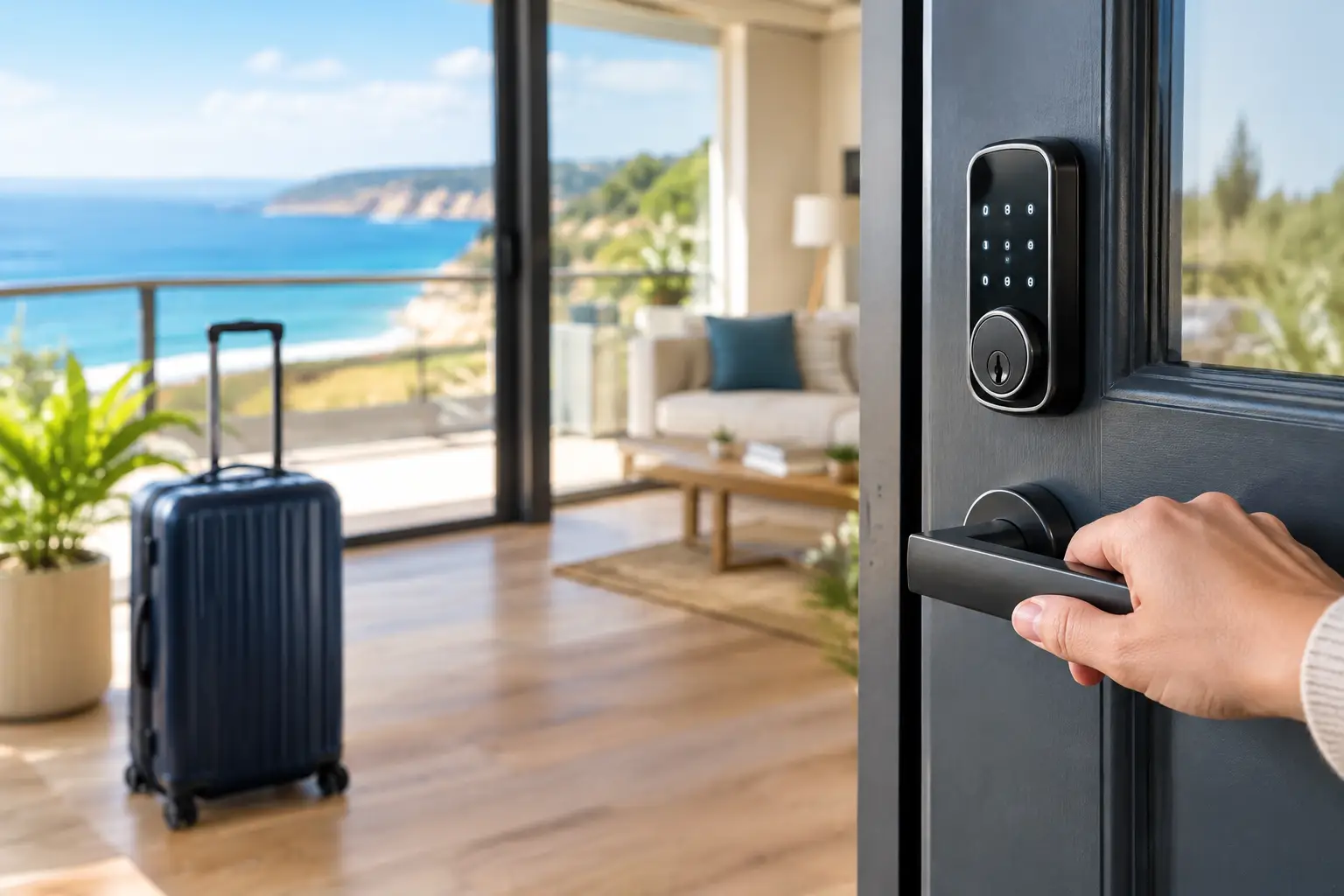
A mechanical key is easy to copy, easy to lose, and difficult to manage when several people need access. Smart locks are one of the most useful vacation-rental upgrades because they let you issue a unique code for each guest, cleaner, property manager, or maintenance vendor. When the stay ends, that code can expire automatically or be deleted from your phone.
Choose a lock that is designed for exterior use and works with your door hardware, not just one that looks good online. A good installation matters as much as the lock itself. If the deadbolt binds, the door is out of alignment, or the WiFi signal is weak at the entry, a smart lock becomes a source of lockouts rather than convenience.
For many properties, separate codes are better than a shared master code. Give the housekeeping team a recurring code during scheduled hours. Give a plumber a temporary code for one service call. Keep an owner code private. This creates a usable record of who had access without requiring someone to collect and redistribute keys.
There is one trade-off: internet-connected locks depend on batteries and, in many cases, a reliable network. Keep physical backup access available for a trusted local contact, and use quality batteries on a schedule rather than waiting for a low-battery alert during a guest arrival.
Use Cameras to Cover Decisions, Not Every Corner
Cameras are valuable because they replace guesswork with a time-stamped view of key areas. For a vacation rental, exterior coverage is usually the right place to begin: the front entry, driveway, garage door, pool gate, rear patio, and any side access that is not easily visible from the street.
The goal is not to create a surveillance maze. It is to verify arrivals, confirm whether a vendor completed a visit, see whether a delivery was left in the right place, and investigate an alert without driving to the house. Doorbell cameras can work well at a primary entrance, while fixed cameras often make more sense for driveways, pool areas, and larger yards.
Camera placement needs restraint
Never place cameras inside guest living spaces, bedrooms, bathrooms, or any area where privacy is expected. Outdoor cameras should be disclosed clearly in your rental information, and their view should stay focused on your property. Avoid aiming a camera into a neighbor’s windows or enclosed private areas.
A camera system also needs the right recording plan. Cloud recording is convenient, but recurring fees can add up with several cameras. Local recording can provide longer retention and reduce monthly costs, but it should be installed where equipment is protected and the system is easy to service. The right answer depends on how often you review footage, how many cameras you need, and whether you want recordings available if internet service is interrupted.
An Alarm System Adds Protection When No One Is Watching
Smart locks and cameras are helpful, but they do not replace a professionally monitored alarm system. Door and window contacts, motion detection, glass-break protection, smoke detectors, and carbon monoxide detection can alert you to events that a camera may not catch quickly enough.
Central-station monitoring matters most when the property is empty or when you cannot respond yourself. A monitored alarm can dispatch help based on the type of event and your account instructions. It can also provide documentation that may support insurance requirements or premium discounts, depending on your carrier.
Vacation-rental owners should ask a practical question before replacing an existing alarm panel: is replacement actually necessary? Functional equipment from brands such as Honeywell, DSC, 2GIG, and Qolsys can often be repaired, upgraded, or moved to a new monitoring provider. Throwing out usable equipment just because another company wants to sell a new package is not always in the owner’s best interest.
Do Not Overlook Water, Smoke, and Temperature Alerts
The most expensive rental-property losses are not always theft-related. A slow leak under a sink, failed water heater, overflowing air-handler pan, or air-conditioning issue can cause major damage long before a guest notices it.
Place water sensors beneath sinks, near water heaters, behind refrigerators with water lines, in laundry rooms, and near HVAC equipment. In Southwest Florida, a temperature or humidity alert can be especially useful for owners who leave a property vacant for part of the year. It may not tell you exactly what failed, but it can tell you that conditions have changed enough to send someone over before moisture and mold spread.
Interconnected smoke and carbon monoxide detection should also be part of the plan. Local code requirements, property layout, fuel-burning appliances, and the age of the home all affect what is needed. A technician can identify gaps without adding devices simply to pad an estimate.
Reliable WiFi Is a Security Feature
Security devices are only as useful as the network connecting them. A weak router tucked into a closet can lead to delayed camera clips, disconnected locks, and unreliable app control. Larger homes, concrete block construction, detached garages, and outdoor living areas often need properly located WiFi access points rather than a single consumer router.
Separate the guest WiFi network from the network used for cameras, locks, alarms, and owner devices. Guests should have easy internet access, but they should not be able to see or interact with your security equipment. A properly organized network also makes troubleshooting much easier when a device goes offline.
Battery backups deserve consideration too. They will not make a prolonged outage disappear, but they can keep key network and security equipment operating through short interruptions. For properties with gates, garage access, or extensive smart-home controls, discuss what should still work when power or internet service is down.
Build a Simple Vendor-Access Routine
Security works best when it fits the way the rental is actually operated. If cleaners, pool technicians, landscapers, pest-control providers, and repair companies visit regularly, create a routine they can follow.
Use scheduled access codes where possible. Ask vendors to notify you when work is complete. Confirm major visits with a camera view or entry log. For higher-value properties, consider a garage-door controller or a separate service entrance so vendors do not need broad access to the home.
This is also where remote control helps during an emergency. If a leak sensor alerts you, you may be able to let a trusted plumber in while viewing the arrival on camera. That is a much better position than asking a neighbor to search for a key or leaving a door unsecured after a repair.
The Best Security Plan Is Built Around Your Property
A condominium, beachfront home, inland pool home, and multi-unit rental do not have the same risks. The right setup depends on entry points, guest turnover, network quality, existing equipment, insurance needs, and whether a local manager is available. More equipment is not automatically better. A few properly installed, well-supported devices can be far more valuable than a complicated system no one understands.
Vigilant Security takes a technician-led approach to vacation-rental security, including alarm upgrades and monitoring, cameras, smart locks, network improvements, and practical access control. The useful question is not, “What is the biggest package?” It is, “What will let me manage this property confidently when I am not there?”
Before your next busy season, walk the property as if you were arriving after an alert. Consider how you would know what happened, who could get inside, and how quickly you could send help. The answers will point you toward the security features that deserve your attention first.
Leave a Reply