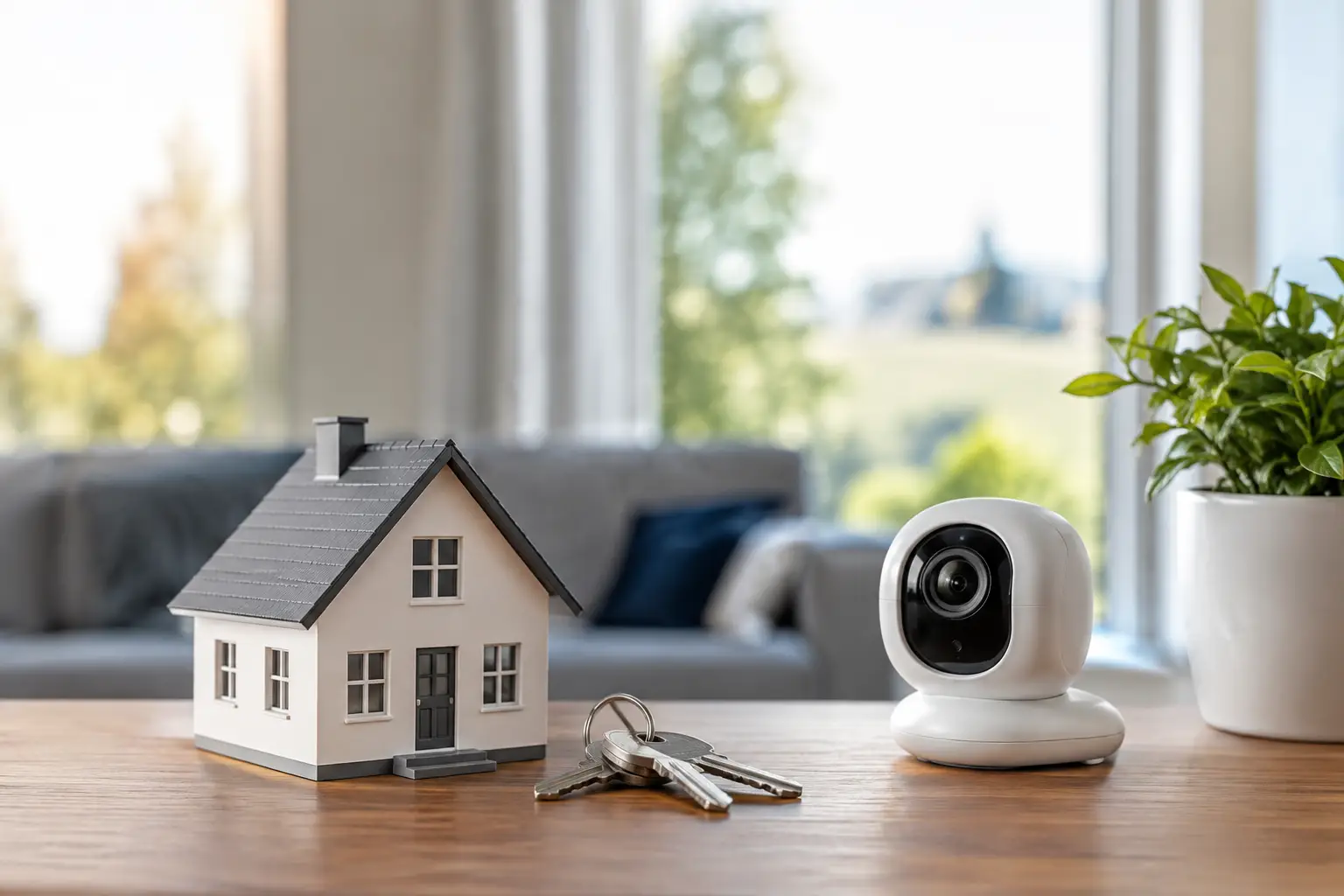
A vacant home in Southwest Florida can look perfectly fine from the street while a small problem grows inside it: an AC failure, a water leak, an open garage door, or a contractor arriving without anyone there to supervise. The best ways to protect empty homes are not about buying the most gadgets. They are about creating reliable layers of protection that let you prevent problems, see what is happening, and get help quickly when something goes wrong.
For seasonal residents, second-home owners, and vacation-rental owners, the right setup depends on how long the property is vacant, who needs access, and whether someone local can respond. A well-planned system should make it easy to check on the house without making daily management feel like a second job.
Best Ways to Protect Empty Homes Before You Leave
Start with the basics that make a property less vulnerable in the first place. Check every exterior door, sliding glass door, window, garage door, pool access point, and gate. A monitored security system cannot replace working locks, solid door hardware, or a garage door that closes correctly.
Do not advertise that the property is vacant. Have mail and package deliveries stopped or collected, arrange regular lawn and pool service, and use lighting that follows a believable schedule. Randomized smart lighting can be useful, but it should be selective. Lighting every room at the same time each night can look more staged than natural.
In Southwest Florida, storm preparation belongs in the same conversation as security. Secure outdoor furniture, review shutter plans, and make sure a trusted local contact knows how to reach you. If a storm causes a power or internet outage, you want to know which systems still work, how long backup power lasts, and who can inspect the property afterward.
Use a Monitored Alarm, Not Just an App Alert
A self-monitored alarm can send a notification to your phone when a door opens or motion is detected. That can be helpful, but it assumes you see the alert, understand what it means, and can act immediately. That is a big assumption when you are traveling, sleeping, in a meeting, or outside the country.
Professional central-station monitoring adds a real response path. When a properly configured alarm is triggered, the monitoring center follows the established call list and dispatch procedures. It is especially valuable for a home that sits empty for months, because there may be no neighbor close enough to investigate safely.
The equipment does not always need to be replaced to get that protection. Many existing systems from brands such as Honeywell, DSC, 2GIG, and Qolsys can be repaired, upgraded, or converted to new monitoring. A local technician should inspect what is already installed before recommending a full replacement. Functional hardwired contacts and sensors are often worth keeping.
Build Camera Coverage Around Decisions, Not Curiosity
Cameras are most useful when they answer practical questions: Did the cleaner arrive? Is the garage shut? Who is at the front door? Did the landscaper enter through the side gate? Is there visible storm damage near the pool enclosure?
Start with the approaches people actually use. The front entry, driveway, garage, rear lanai, side yard, and dock area are common priorities, although every property is different. A camera that captures a face at the entry is generally more valuable than a wide view of a large yard with little detail.
Good placement matters more than simply adding cameras. Mount cameras high enough to discourage tampering but low enough to capture usable images. Avoid aiming directly into bright afternoon sun or placing a camera where landscaping will block its view in a few months. Night performance, glare from exterior lights, WiFi strength, and recording retention all deserve attention before installation.
Remote viewing is convenient, but a camera system should not depend entirely on a phone alert. Alerts need thoughtful tuning. Too many notices from passing cars, palm fronds, or wildlife train homeowners to ignore the app. Motion zones, person detection, and properly selected recording settings make the system more useful when a real event occurs.
Protect the Internet Connection That Supports Your System
Many security cameras, smart locks, thermostats, and alarm apps rely on the home network. Weak WiFi can make a good security system feel unreliable. Large homes, concrete block construction, detached garages, and outdoor spaces often need professionally placed access points rather than a single router sitting in a closet.
Ask how the alarm communicates if the internet goes down. A system with cellular communication can still report an alarm during many internet outages, provided it has power and cellular service. Cameras and remote controls may be limited during an outage, which is one reason layered protection matters.
Use strong, unique passwords for the alarm account, camera account, router, and email account tied to them. Turn on multi-factor authentication when available. Remove old users when a tenant, housekeeper, contractor, or former property manager no longer needs access. The digital side of home security is often overlooked until an unauthorized person still has a working login.
Control Access Without Handing Out Spare Keys
An empty home still needs people to enter it. Housekeepers, property managers, maintenance vendors, pet sitters, inspectors, and family members may all need access at different times. A smart lock can eliminate the problem of copied keys and give you a clearer record of who entered.
Create separate codes for regular users rather than sharing one universal code. Use temporary codes for vendors, set time windows where appropriate, and delete access when work is complete. For vacation rentals, the lock should support a dependable turnover process so a departing guest cannot use an old code after checkout.
Garage access deserves the same attention. An open garage can expose tools, bicycles, stored valuables, and sometimes an unlocked interior door. Remote garage control, door-position alerts, and a camera pointed at the garage area can prevent an overlooked opening from becoming an invitation.
Access control should still include a backup plan. Smart locks need batteries, internet-connected features can occasionally fail, and a trusted local person may need a mechanical key for emergencies. The goal is not to eliminate every key. It is to know exactly who has access and reduce unnecessary copies.
Watch for Water, Temperature, and Power Problems
Security is not limited to break-ins. For an unoccupied Florida home, water and climate issues can be just as expensive. A water sensor under sinks, behind toilets, near the water heater, and by the washing machine can alert you before a slow leak becomes widespread damage. If the home has a shutoff solution that can be controlled remotely, that can add another level of protection.
A smart thermostat lets you confirm that the HVAC system is running and that indoor conditions remain within a reasonable range. It is not a substitute for regular HVAC maintenance, but an alert for unusually high temperature or humidity can give you an early warning that something needs attention.
Consider monitoring for power loss where it matters most. A power outage may affect refrigeration, internet equipment, gates, pumps, and cameras. Battery backups can keep key devices running briefly, but they are not designed to carry an entire home through a long outage. Know the limits of your equipment before depending on it.
Keep a Real Person in the Plan
Technology gives you visibility, but it cannot pick up a fallen branch, reset a tripped breaker, or meet a plumber at the door. Every empty home needs a local response plan. That might be a neighbor, a property manager, a family member, or a service professional who has permission to inspect the property.
Write down the basics: who receives alarm calls, who can enter, where shutoffs are located, what to do after a storm, and how to reach key vendors. Keep the list current. A system is only as dependable as the information attached to it.
Test the plan before you travel. Arm and disarm the alarm from the app, confirm camera views at night, test smart-lock codes, verify that notifications reach the right people, and make sure the monitoring call list is accurate. A local technician can also identify weak coverage, aging equipment, and compatibility issues before they become an inconvenient surprise.
An empty home should not feel like an unknown risk every time you open an app. With sensible physical security, monitored protection, useful camera coverage, controlled access, and a dependable local response plan, you can leave knowing the property is being watched for the issues that actually matter.
Leave a Reply