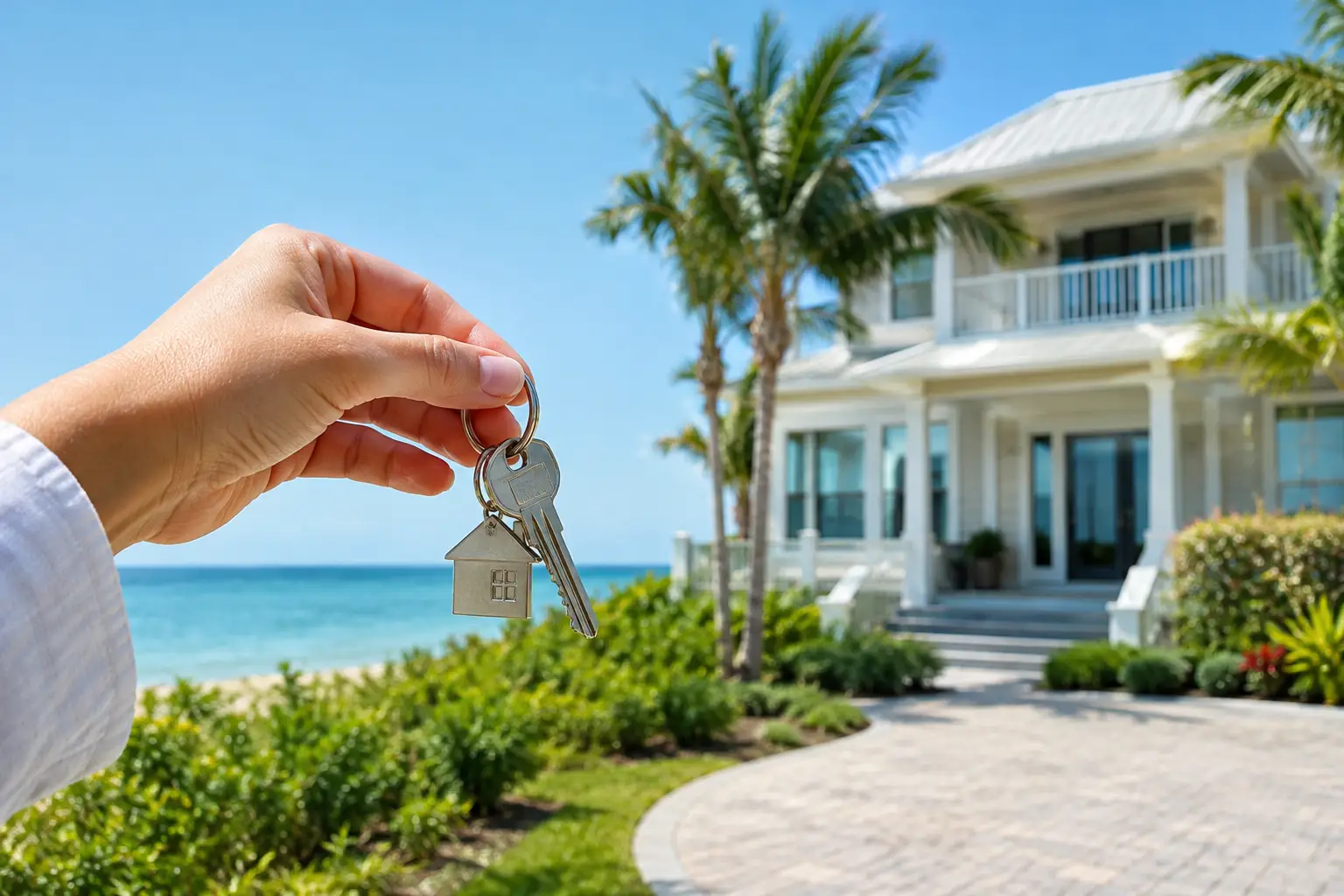
A vacant Naples home can have more traffic than an occupied one. Housekeepers, pool technicians, landscapers, pest-control providers, delivery drivers, renters, and neighbors may all need access while you are hundreds or thousands of miles away. A good vacation property access guide starts by treating that access as a security plan, not a collection of passwords.
The goal is simple: the right person can get in when they need to, you can confirm what happened, and nobody keeps access after their job is done. That takes more than putting a smart lock on the front door. It requires clear rules, dependable equipment, and a backup plan for the days when WiFi, batteries, weather, or people do not cooperate.
Start With an Access Plan, Not a Device
Before choosing a smart lock, camera, or alarm app, list who needs entry and why. Owners often focus on guests, then realize the property also depends on recurring service providers. A pool company may need the side gate. A cleaner may need the front door between turnovers. A property manager may need full access, including the garage and alarm system.
Separate these people by the access they actually need. A short-term guest should not have the same code as a long-term caretaker, and a vendor who services the pool should not need entry to the home. This limits exposure if a code is shared, guessed, or simply forgotten after a job is complete.
A practical access plan usually has four categories:
- Owner access for full control of doors, garage doors, alarms, cameras, and system settings.
- Trusted manager or family access for emergencies and broader property oversight.
- Guest access with a code that works only during the reservation period.
- Vendor access with limited permissions, scheduled hours, or entry only through a designated gate or door.
The best setup depends on the property. A condo with building-controlled entrances may need only a unit lock and interior security plan. A single-family home on Marco Island with a pool cage, side gate, garage, and multiple exterior doors requires more thought. The point is to decide the rules before a device forces the decision.
Smart Locks Should Create Accountability
A physical key is easy to copy and difficult to track. Smart locks give vacation-home owners a better option: unique codes for different people and a record of when those codes are used. For a rental property, create a new guest code for each stay and schedule it to expire shortly after checkout. Avoid using a permanent code for every guest just because it is convenient.
For recurring vendors, give each company or individual a separate code where possible. If the pool technician enters at 10:30 a.m. every Tuesday, you should be able to see that event in the app and know whether the door was secured afterward. If a vendor stops working for you, delete the code immediately rather than hoping they discard an old key.
There are trade-offs. WiFi-connected locks offer remote control and notifications, but they depend on a stable network and power. Keypad locks with local programming can be dependable, yet may provide less remote visibility. Battery alerts matter, especially during the off-season. A lock that has not been checked since April can become a real problem when a guest arrives in August.
Keep a mechanical backup plan. That may mean a properly managed physical key, a lockbox placed out of plain sight, or a trusted local contact with emergency access. Do not place a spare key under a mat, planter, or decorative rock. Those hiding places are not clever, and experienced criminals know them.
Cameras Confirm Activity Without Replacing Good Judgment
Cameras are most valuable when they answer practical questions: Did the cleaner arrive? Did a delivery sit outside all afternoon? Did the garage door close? Is the pool technician at the property, or did a storm blow debris into the yard?
For access management, prioritize views of the front entry, driveway, garage, and side gate. A camera at the front door can document arrivals, but it cannot tell you whether someone entered through the garage. A driveway camera may capture a vehicle but not a person walking through a side entrance. Coverage should match the way people actually move around your property.
Exterior camera placement also needs to account for Southwest Florida conditions. Salt air near the coast, intense sun, wind-driven rain, insects, and landscaping growth can affect image quality and hardware performance. A camera that looked perfect at installation can become partially blocked by palms or shrubs months later. Periodic checks are part of ownership.
Use cameras responsibly. Guests deserve privacy inside the home, and interior cameras in occupied rental areas can create serious trust and legal concerns. Focus on exterior access points and disclose any permitted exterior security cameras clearly. Cameras should verify access and deter problems, not make guests feel watched.
Pair Door Access With Alarm and Garage Control
A smart lock is only one piece of the property. If someone opens the door while the alarm is armed, they need a way to disarm the system without sharing the owner’s master code. Many modern alarm platforms can assign separate user codes, send activity notifications, and allow remote arming or disarming. That provides far more control than handing out one universal alarm code.
If the home has an existing alarm system, do not assume it must be replaced. Compatible systems from brands such as 2GIG, Honeywell, DSC, and Qolsys can often be repaired, upgraded, or taken over for monitoring. The right answer depends on the age of the panel, communication method, condition of existing wiring, and the features you want to manage remotely.
Garage access deserves the same attention as the front door. Garages often contain tools, bicycles, storage, water shutoff access, and a second path into the home. A garage controller with activity alerts can tell you whether the door was left open, while a properly integrated alarm system can add protection to the connecting door and overhead doors.
Do not give every visitor garage control. A guest may need it, but a landscaper typically does not. Limited access is not inconvenient when it is planned well. It is simply sensible.
Build for Internet and Power Problems
Remote control is useful until the internet goes down. Vacation properties need a plan for the most common failures: a modem that locks up, a router that loses power, a dead lock battery, or a cellular outage during a storm.
Install network equipment where it will stay dry, cool, and accessible. If cameras, smart locks, and alarm features rely on WiFi, a weak signal at the front door or garage is a security problem, not just an annoyance. WiFi access points may be needed to provide reliable coverage across larger homes, detached garages, lanais, and exterior entries.
Alarm monitoring offers another layer of protection because a monitored system can communicate an alarm event to a central station, even when you are not watching your phone. Cellular alarm communicators are particularly useful when home internet service is interrupted. They do not eliminate every risk, but they prevent the entire security plan from depending on a single router.
Make sure a trusted local contact knows how to respond if the system reports a water leak, power issue, open door, or alarm event. Remote notifications are helpful. Someone local still has to look at the property when a situation needs eyes on it.
Keep Access Current Between Seasons
The biggest weakness in vacation-home security is usually not the technology. It is old access that nobody reviewed. A former cleaner still has a code. A previous renter knows the lockbox location. A contractor was added to an app years ago and never removed.
Review users before leaving for the season and again before returning. Delete codes that are no longer needed, confirm vendor schedules, test alerts, and make sure every household member understands who can change settings. If you use a property manager, agree on who owns each account and who receives alarm and camera notifications. Confusion during an emergency wastes time.
For owners in Naples, Marco Island, Bonita Springs, and Fort Myers, local support can make this process much easier. Vigilant Security can evaluate existing alarm equipment, improve camera coverage, add smart locks or garage control, and help build an access setup that fits how the home is actually used. A technician-led estimate is especially valuable when you are trying to keep functional equipment rather than replace it for no good reason.
Before your next trip north, stand outside your own front door and think like every person who may need to enter while you are away. If the answer relies on one shared code, one hidden key, or one unreliable app, it is time to give the property a better plan.
Leave a Reply